
Skip to content
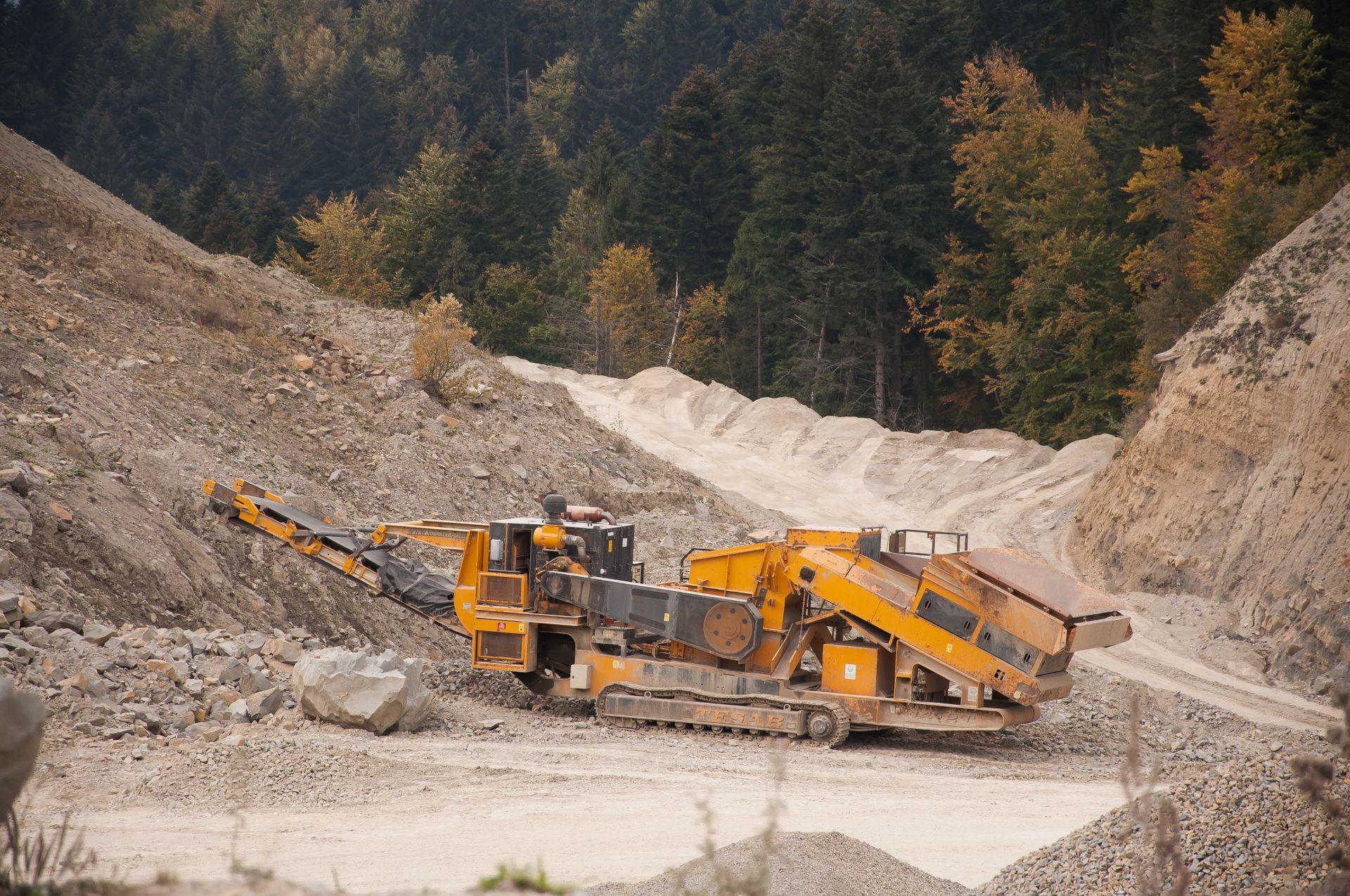
Mobile crushing and screening plant set up on a quarry floor

Industries

Different buyers,different constraint.

A glass plant and a tile-adhesive manufacturer are not buying the same thing from the same pile. Each section states what actually governs qualification in that industry, and which of our grades fits.

01
Glass
02
Construction
03
Foundry
04
Industrial
01

Glass Manufacturing

Glass is the most purity-sensitive application we serve, and the most demanding on iron content — Fe₂O₃ drives colour in flint and white glass. Our current run-of-plant material is supplied for applications where the published range is acceptable; a washing and attrition stage is in development to lift material into the higher glass-grade band.

What governs qualification

Governing parameter
Fe₂O₃ content
Secondary
SiO₂ purity, refractory contaminants
Consistency
Batch-to-batch chemical stability
02

Construction Chemicals

Tile adhesives, thin-set mortars, waterproofing compounds and ready-mix products depend on gradation consistency far more than on headline purity. A shifting sieve curve changes water demand and open time, so the value here is a cut that does not drift between loads. Fines and silt tolerance is typically the binding constraint.

What governs qualification

Governing parameter
Gradation consistency
Secondary
Silt and fines content, moisture
Typical grades
30–150 mesh, 16–100 mesh
03

Foundry & Metal Casting

Foundry buyers qualify on grain shape and distribution as much as chemistry — grain fineness number, permeability and refractoriness all follow from the cut. Our VSI stage shapes grain before classification, and we supply both single-band grades and blended distributions for foundries that specify their own AFS number.

What governs qualification

Governing parameter
Grain size distribution / AFS
Secondary
Grain shape, refractoriness
Standard referenced
IS 1987:2002
04

Industrial & Chemical Processing

A broad category covering filtration media, blasting abrasives and general industrial formulation. These buyers usually arrive with a specification rather than a product name, which is what the custom blending capability exists for.

What governs qualification

Governing parameter
Application-specific
Common request
Blended multi-band distribution
Typical grades
1–2 mm through 30–150 mesh

Enquiries · reply within one business day

Not sure which grade fits?

Describe the application and the constraint you are working to. We would rather tell you the right grade than sell you the wrong one twice.

Talk to us
Message us on WhatsApp